Skip to content

China Cracks Down on Fake Celebrity Advertising: The Real Lesson

Updated

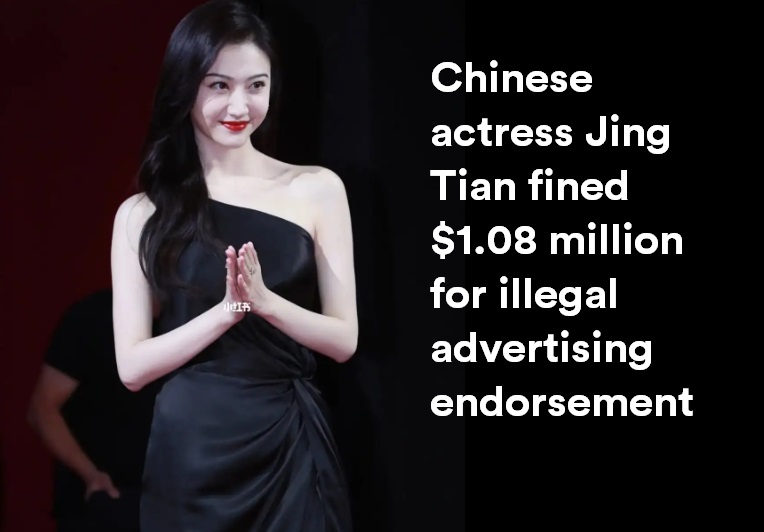
Every so often China cracks down on celebrities and influencers for fake or misleading advertising, and the headlines make foreign brands nervous. The lesson behind those stories, though, is not that influencer marketing is dangerous, it is that authenticity is now enforced, not just preferred. China has made clear that endorsements have to be honest, that paid promotion has to be genuine, and that brands and the stars they hire are accountable for what they claim. For a foreign brand, this is actually good news if you were going to do things properly anyway, because it pushes the market toward the real, credible promotion that works best in the long run. The brands that get hurt are the ones relying on hollow celebrity endorsements and inflated claims, not the ones building genuine demand. Here is what these crackdowns mean, why authenticity matters more than ever, and how to do influencer marketing in China the right way.

What the crackdowns are really about

China has moved to hold celebrities, influencers, and the brands behind them accountable for fake, exaggerated, or misleading advertising, making clear that endorsements must be honest and paid promotion must be genuine. The aim is to protect consumers from hollow celebrity backing and inflated claims, and the effect is that authenticity is now expected and enforced rather than left to good intentions. For a foreign brand, the message is simple: promotion has to be real, claims have to be true, and you are responsible for what is said on your behalf. This does not make influencer marketing risky for brands doing it honestly, it makes the cynical version riskier while rewarding the genuine version. It also matches what Chinese consumers themselves increasingly want, since they have grown sceptical of obvious paid hype and trust authentic recommendations far more. So the crackdowns push the market in the direction good marketing was already heading: toward genuine, credible promotion that consumers believe and act on.

The brands that should worry are the ones whose plan was to buy a famous face, make big claims, and hope the borrowed fame did the selling. That approach was always weak, because consumers see through it, and now it carries real risk on top. The brands that build genuine demand and honest promotion have nothing to fear and a clearer field, because the shortcut they never relied on is being closed off for everyone.

What honest influencer marketing needs

A few principles keep influencer marketing both safe and effective in China.

  • Genuine endorsements. Promotion that is honest and that the influencer actually stands behind.
  • True claims. Say what is real about your product, not inflated promises.
  • The right voices. Influencers whose audience genuinely fits and trusts your brand.
  • Real demand underneath. Authentic interest the promotion amplifies, not hype standing in for substance.

Does this make influencer marketing too risky?

No, not if you do it honestly, and in fact it makes good influencer marketing more valuable. The crackdowns target fake, misleading, and exaggerated promotion, not genuine recommendation, so a brand working with the right voices to share honest, real enthusiasm is exactly what the rules want to encourage. What becomes risky is the cynical approach: paying a famous name to make claims neither of you can stand behind, hoping borrowed fame covers for a weak product or hollow message. That was never good marketing in China anyway, because consumers have grown sharp at spotting paid hype and trust authentic voices far more, so the rules mostly punish what was already failing. For a brand building genuine demand, the tighter environment is an advantage, because it clears out the cynical noise and rewards the real promotion you were going to do. Influencer marketing in China is alive and powerful, it just has to be honest, which is how it works best regardless of any rules.

How do I do influencer marketing the right way?

By building genuine demand and working with the right voices to amplify real enthusiasm, where Chinese consumers actually discover and trust. Authentic recommendation is what moves people, so create genuine content and work with influencers whose audience genuinely fits your brand, especially on Xiaohongshu, where honest reviews and real experiences drive considered buying, and Douyin for reach with content that feels real rather than like a hard sell. Make sure what is said about your product is true and that the enthusiasm is genuine, because that is both safer and more convincing. And when consumers check whether your brand is real after seeing it promoted, your presence on Baidu reassures them. Honest promotion built on real demand, shared by voices people trust, and backed by a credible presence is influencer marketing that works and that the tighter rules actively favour.

Can a small brand benefit from honest influencer marketing?

Yes, and the shift toward authenticity actively favours a focused small brand, because genuine recommendation matters more than a big celebrity budget. A small brand cannot outspend giants on famous faces, but it does not need to, since Chinese consumers increasingly trust authentic voices and real experiences over expensive star endorsements, and smaller, genuine influencers whose audiences fit a niche can be more convincing than a distant celebrity. The crackdowns on fake advertising level the field, because the cynical big-budget shortcut is being closed while genuine promotion, which a focused small brand can do well, is what works. The approach is to build real demand, work with the right authentic voices, keep your claims true, and be credible when consumers check you. Start by building genuine enthusiasm with a specific audience, partner with voices that truly fit, and grow on real recommendation. A focused small brand that does honest influencer marketing can win trust and sales in an environment that punishes the hollow approach bigger spenders relied on.

Where we come in

We are a team of 15 in Shanghai who help foreign brands do honest, effective influencer marketing in China: genuine demand, the right authentic voices for your brand, and a credible presence on Baidu when consumers verify you. If you want influencer marketing that works and stays on the right side of the rules, tell us about your brand.

Jon Wang is a straight-talking business man who lives and breathes Chinese ecommerce and distribution, and favours practical solutions over theory.

Leave a comment

Your email address will not be published. Required fields are marked *

Let's talk

Discuss your China project

Tell us the goal and we'll send a proposal. No obligation.