
2020 Best Practices to market your App in China
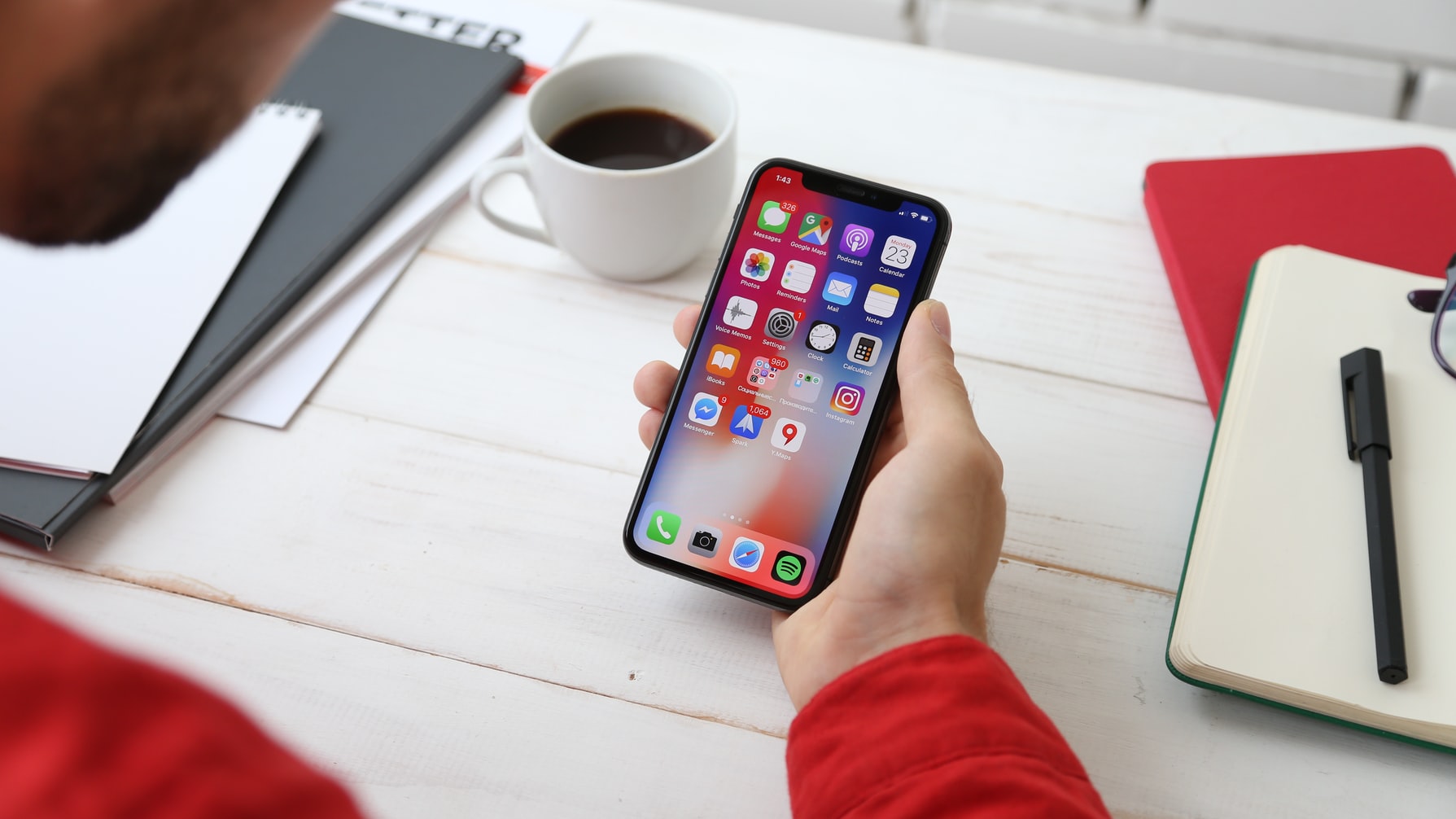
Today China is a huge market, and in recent years, it is reigning as the world’s top mobile market, which reflects great opportunities for apps all around the world.
The number of mobile phone in China has been skyrocketing since 2011, reaching a record high number of more than 1.25 billion users in April 2014. By the end of 2012, China had already become the country with the most mobile phone users worldwide.
Chinese people are highly connected by smart phones. They spend en average more than 6.2 hours per day on their phones. Chinese app market is really a lucrative market.
Make your customers market your app: word-of-mouth
Nowadays content marketing is the new marketing currency that influences the engagement. A user-generated content (UGC) strategy drives customers to interact with your brand, and your marketing messages can circulate dans les feeds des utilisateurs.
Therefore, one of the best marketing strategies is reflected by the happy customers who refer other users to your app. Customers should be encouraged to share their experience and leave their reviews after they made purchases.
Promotional activities can help the word-of-mouth

In addition, by offering promotional codes, you can encourage customers to market your app on the social media platforms. While you are completely integrated with social media platforms, within your app wish lists can be enabled which later can be shared by customers within their social channels.
Factors to take into consideration for app industry
Even though Chinese market is promising a goldmine for mobile apps, foreign businesses should consider following factors, which are important since they play a great role, such number of factors include regulatory barriers, device fragmentation, fraud, and low-spending customers. Even though challenges remain the same despite the fact that in last few years these issues have been improved significantly.

Like any other market, it is required to implement a unique and thoughtful approach in order to crack the code to the top of the app charts.
For the record, app marketers should consider and take into consideration the approach of understanding of Chinese culture, business models, pricing strategies, including its leading billing platforms.
In terms of business models and pricing strategies, you should be ready to compete with companies that are willing to invest tens of thousands of USD daily in order to encourage downloads, increase the popularity of the app and even more rise this app to the top of the charts.
When it comes to “free” apps, in this case, you will need to think twice about your tradeoff between monetization and monthly active users, while your competitors are not pressured to monetize.
User experience is very important for apps in China
From the beginning, it will be better to use the infrastructure that you already have before you establish a legal entity. It is all due to the simple reason that it takes time for data to move right away, and in the sense to keep it moving faster it is more beneficial to find creative and unique solutions.
So try to host your app in Chinese servers in order to offer your users a better and fluent user experience. If you want to do this, you should have a legal entity in China or you can have a Chinese joint-venture.
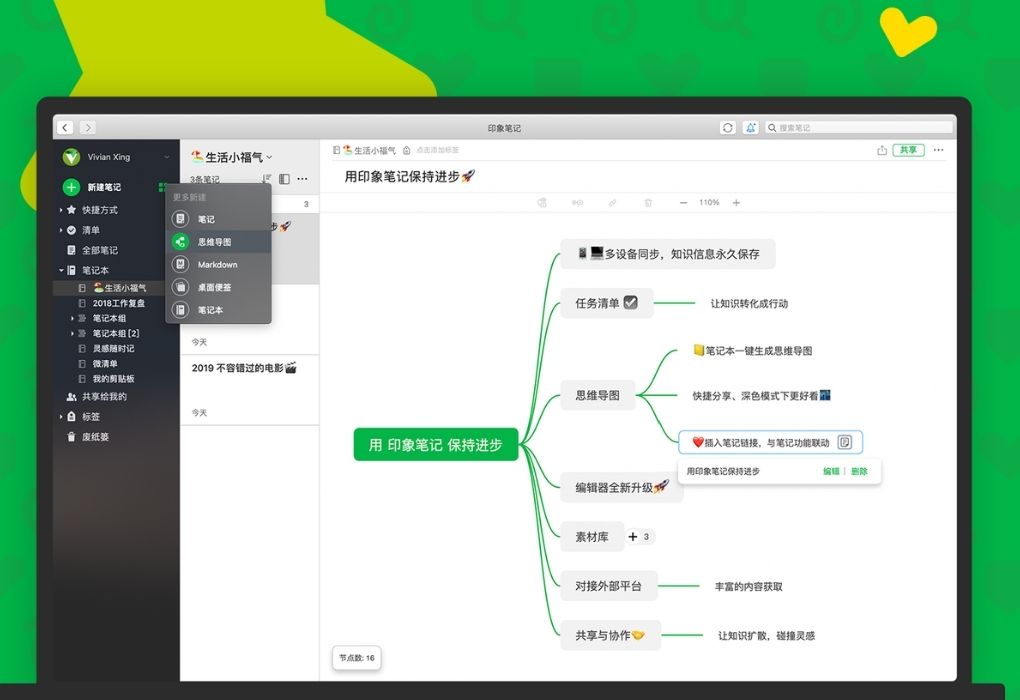
Take example of “Yinxiangbiji” (印象笔记). It is very popular now in China, and it is hosted in China. Besides, in order to make your app being found by Chinese consumer faster, it will be better to find a Chinese name for it. A good example, in this case, is Evernote app, which has a Chinese version of its app called “Yinxiangbiji” (印象笔记),
Android VS IOS: Different markets reflect different aims
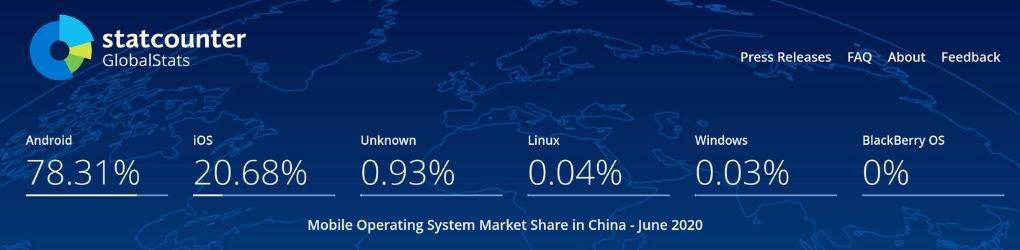
Today the market of apps is divided in two types such as Android market and iOS market. In this terms, according to Chinese web giant Baidu, Android market in China is enormously big enough. It has around 79 percent of the market share. This market is highly fragmented and involves hundreds of application stores which consequently makes it extremely hard to make your app more visible.
However, iOS market reflects approximately 20 percent market share in China, according to the Apple latest announcement, the main point of interest for the company is to make its market less crowded.
All in all, depending on your business goals and your app’s focus, it will be more beneficial to choose one certain market, instead of launching on both platforms. Due to the experience, it should be taken into consideration that iOS users are willing to spend more in comparison with Android users. If your app is focused on being more premium or subscription-based, and the business model of it is considered to be paid, in this sense it will be better to choose iOS market.
In comparison with Apple that operates a global model working with developers, while the ecosystem of Android differentiates from one country to another.
How to intergrate your app quickly into China?
A good way to speed up the integration of your app in China is to hire local talent. For instance, many companies choose a well-known independent mobile game publishing platform such as iDreamSky, which is doing all the work to bring them to China.
The other way is to find a local partner in China, who has a great understanding of the market. In addition, they can also help to overcome language barriers, including the fact that most of the meeting will be held in Chinese, which shows that to run the business in China is almost impossible without local partner’s help, which means it is more beneficial to find the local partners and empower them to make decisions. For example, in the case of Evernote, it has a whole Chinese product team working on the promotion of their app for the market.
Understand local concerns can guide you to choose a good product
You need to ensure that the app that you are launching in the Chinese market is bringing up inspiring content for your targeted audience. For instance, Chinese parent is more focused on education. In this sense, audiobooks for kids were launched by PlayKids, it introduces English language content to children without requiring more screen time, additionally Chinese native was hired to guide the project.
Remarkably, that vital information related to the understanding of the local culture, differences, similarities, and opportunities can be provided by the local partner.
SEM & social media boost your apps
After all, advertisement in terms of launching the app is important. Notably that in China there is no Google or Facebook, in order to succeed in this sense, you need to be more creative and find the most suitable approach, by searching engines marketing and social media.
To advertise your app in a better way, you need to consider such Chinese ad networks such as Wechat, Baidu and Weibo, which allows developers to market and supervise their installs.The presence of your app on these platforms will increase the engagement with your targeted audience.
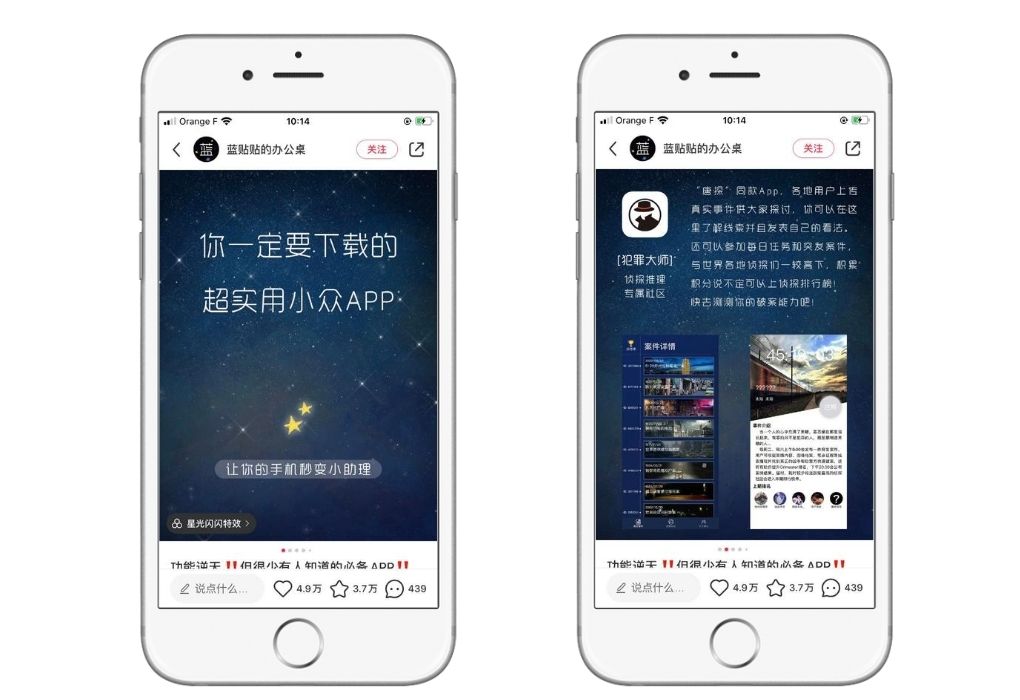
Moreover, in recent years, the KOL marketing on those Chinese social media is in the mode. It has become the must-go to market a service or a prouct, just like the above picture shows.
WeChat promotion: a powerful tool for your app advertising
Therefore, a business can enhance the benefits by using WeChat ads. Since nowadays Tencent launched advertisements for WeChat official accounts, it includes KOL advertisements, banner ad, and Moments ads.
Due to the fact that Chinese consumers use WeChat mostly for everything such as booking flights and trains, shopping, paying bills, ordering a taxi and paying bills at the restaurants, hence the huge number of the customer can be attracted within WeChat by businesses.
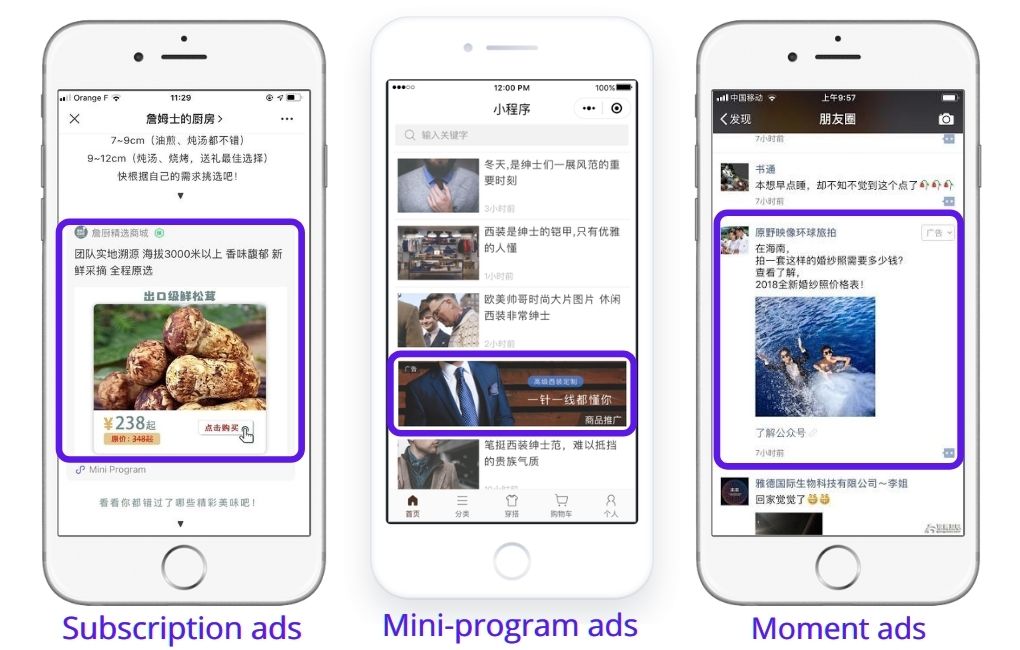
In addition, QR codes which are widely used in China nowadays in terms of promotions, passwords and following various brands. QR codes are very beneficial for companies since they provide the opportunity to gain a great number of followers simply within one click.
Baidu search engine marketing: cost-efficient for your app awareness
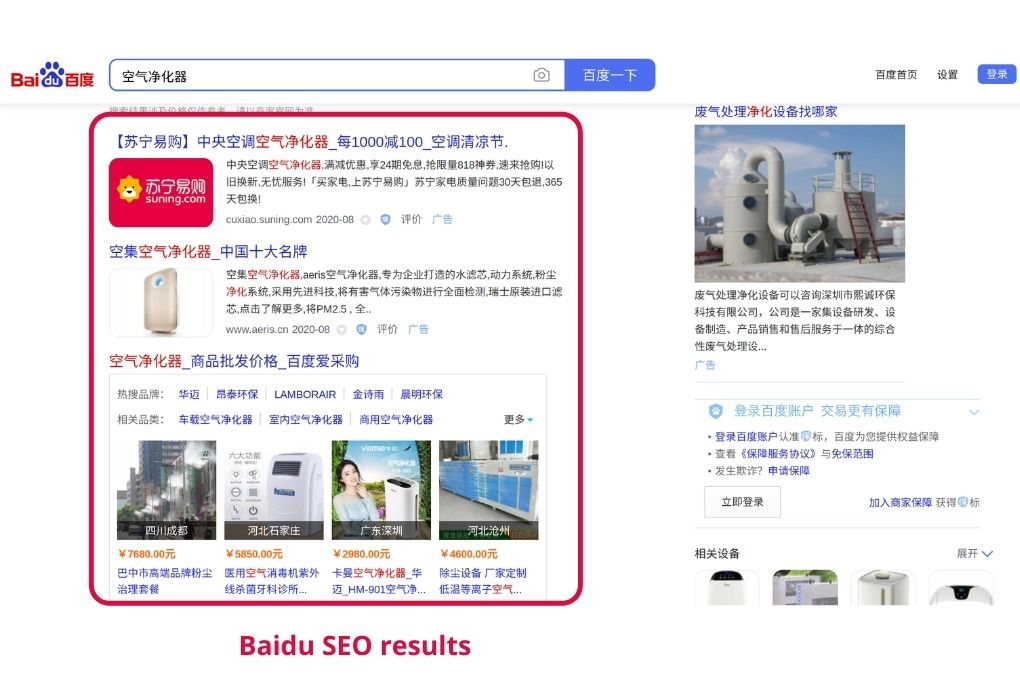
It is well known that Baidu is “Chinese Google”, for the record, around 70% of the search market share in mainland China is owned by Baidu. Baidu and Google both operate the same web service spheres. Obviously, it is similar to Google in many different aspects, since Baidu has the identical user interface. In addition, it would be nothing new to you if have any experience with Google AdWords, since Baidu has almost the same call “推广 – Tuiguang”, which can be literally translated as “Push Wide (To Promote)”.
However, while Google is global search web tool, Baidu is more concentrated on the local Chinese market, which reflects that Baidu has a better understanding of Chinese culture, optimizing their search technologies in order to have a better response to the needs of the local users.
Baidu Tieba: Q&A forum to promote your presence in Chinese app users
Baidu also created Baidu Tieba, which is a search engine forum. In terms of forums, it is the largest social forum among Chinese media platforms. The interface of this platform is simple since it has a search bar and it also makes users’ search quite easy since the bar is a keyword-based and it covers almost every topic.
This platform is very important for businesses since it enables them to develop and create their presence in Chinese media platforms, also it helps companies to increase users’ awareness about the company.
Stay relevant to be competitive in Chinese app market
Furthermore, in this fast-growing market of apps like China, it is highly recommended to find an appropriate and effective strategy before launching and make a solid research. In order to succeed in China, you need to stay up to date and ahead of competitors by updating the app frequently with the purpose of eliminating the disadvantages.
Chinese market is full of opportunities as well as chanlleges. It is also a market always changing. Stay relevant, keep your app always updated with the society new trends.

Please contact our expert team at GMA for more information on Chinese marketing strategy and how it can help your business. We look forward to discussing your project.
Read also:





What budget you need to promote APP in China?
ASO, ads, PR ?
any rough idea of budget?
ASO can cost a lot, you have every price. start at 5k$.
Ads, really depend.
PR , we recommend 2k$ per month.