
Mobile Payments Ring the End of The Cash in China
[et_pb_section bb_built=”1″ admin_label=”section”][et_pb_row admin_label=”row”][et_pb_column type=”4_4″][et_pb_text admin_label=”Intro” background_layout=”light” text_orientation=”left” use_border_color=”off” border_color=”#ffffff” border_style=”solid”]
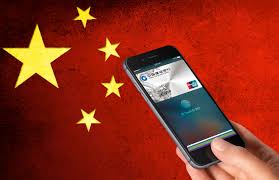
China has become completely digitized. The mobile payments are a part of the daily lives of Chinese consumers. It is now possible to pay all you want just with your with phone and an internet connection. A meal at the restaurant, through tuition fees or even a fruit in a small market… everything is now possible. this is the end of the reign of cash in China.
Cost-Effective Agency
KPI and Results focused. We are the most visible Marketing Agency for China. Not because of huge spending but because of our SMART Strategies. Let us help you with: E-Commerce, Search Engine Optimization, Advertising, Weibo, WeChat, WeChat Store & PR.
[/et_pb_text][et_pb_code admin_label=”CTA – Article” _builder_version=”3.0.62″ custom_css_main_element=”border: 1px solid #e6edf3;||padding: 22px 30px 32px;||margin: 30px 0;||position: relative;||border-radius: 5px;||background-color: #f9f9f9;” saved_tabs=”all” global_module=”37915″]<p style=”font-size: 1.5rem; margin: 0 0 10px 0; font-weight:bold;”>Marketing to China it’s also an <span style=”color:#B23C2E;”>Agency</span></p><!– [et_pb_line_break_holder] –><p>We are the top and most visible <strong>Web & Marketing Agency for China</strong> you will find on the web. Our Services: E-Commerce, Search Engine Optimization, Advertising, Weibo, WeChat, WeChat Store & PR.</p><!– [et_pb_line_break_holder] –>Contact us Today[/et_pb_code][et_pb_text admin_label=”Text”]
China adopt the mobile payments

not need to do a long queue to get change, you just have to scan the QR code from a trader with your smartphone and just with one click the transaction is made.
In big cities, the mobile payment is ubiquitous. Last year, the value of the goods purchased by mobile payment has been multiplied by three, or nearly 5,000 billion RMB.
this expansion was widely promoted in China by the growth of e-commerce. The consumers feel more comfortable when they order everything from home or the office. The market of mobile payment in China is 50 times bigger than the United States.
A market with great potential

This new way of payment enchants many Chinese consumers because of its practicality and flexibility. Therefore, this resulted in the reduction of cash and card payments.
China is a country with a huge digital potential. The e-commerce market is held by the two giants of the mobile payment (Alipay and Wechat pay), with nearly hundreds of millions of users.

Mobile payment is so rooted in Chinese customs that some shops or restaurants no longer accept bank notes.
Thanks to their success, Alibaba and Tencent begin to turn to overseas, targeting the market of Chinese tourists abroad. Tencent comes even to join German Wirecard to launch WeChat Pay in Europe.
Insecurity of mobile payments

the insecurity of mobile payments is a big problem. In fact, there are some dishonest Chinese, who have the idea to replace the real QR codes by fakes in order to steal data from users and to empty their bank accounts.
In order to encourage the consumption and use of mobile financial services, the authorities are looking “for a fair balance between innovation and regulation,” according to Better Than Cash.

Read also:
[/et_pb_text][/et_pb_column][/et_pb_row][/et_pb_section]




Amazing, impressive and smart product.A good example for other countries to follow.
WoW, amazing stuff. China is really a great market for this kind of stuffs and it`s normal from my point of view that they took this decission!